
In a digital era where storytelling and creative connection define brand engagement, websites like StoryCafe.fun and StoryCafe.ink represent a fascinating phenomenon — platforms that blend community creative expression, user content, and narrative experiences. While neither site currently indexes publicly in major search results, the names and inferred intent suggest they both aspire to be digital hubs for storytelling, community content, or narrative sharing.
This blog explores:
- What each site likely represents,
- The content strategy and competitive dynamics between them,
- Actionable insights for creating standout content,
- Future trends in story-driven platforms that content creators should know.
1. The Story Cafe Concept — A Cultural Context
Story cafés — whether physical spaces or online hubs — exemplify a fundamental human truth: people connect through experiences and narratives. In offline contexts, cafés have historically been places for dialogue, literature discussions, and artistic collaboration. Today, leaders are transplanting that ethos into online platforms, where audiences come together for creative expression, reflection, and community building.
Even in unrelated rapid examples, we see:
- Story Café platforms supporting creative communities such as StoryCafe.org (associated with expanding storytelling resources) launching refreshed identity efforts in 2026. StoryCafe
- Some digital story platforms actively serve as digital libraries, blogs, or story archives where content creators contribute fiction, essays, and narrative pieces. Story Cafe Media
This background sets the stage for understanding how StoryCafe.fun and StoryCafe.ink might navigate a crowded content landscape.
2. Guessing the Platforms: StoryCafe.fun vs StoryCafe.ink
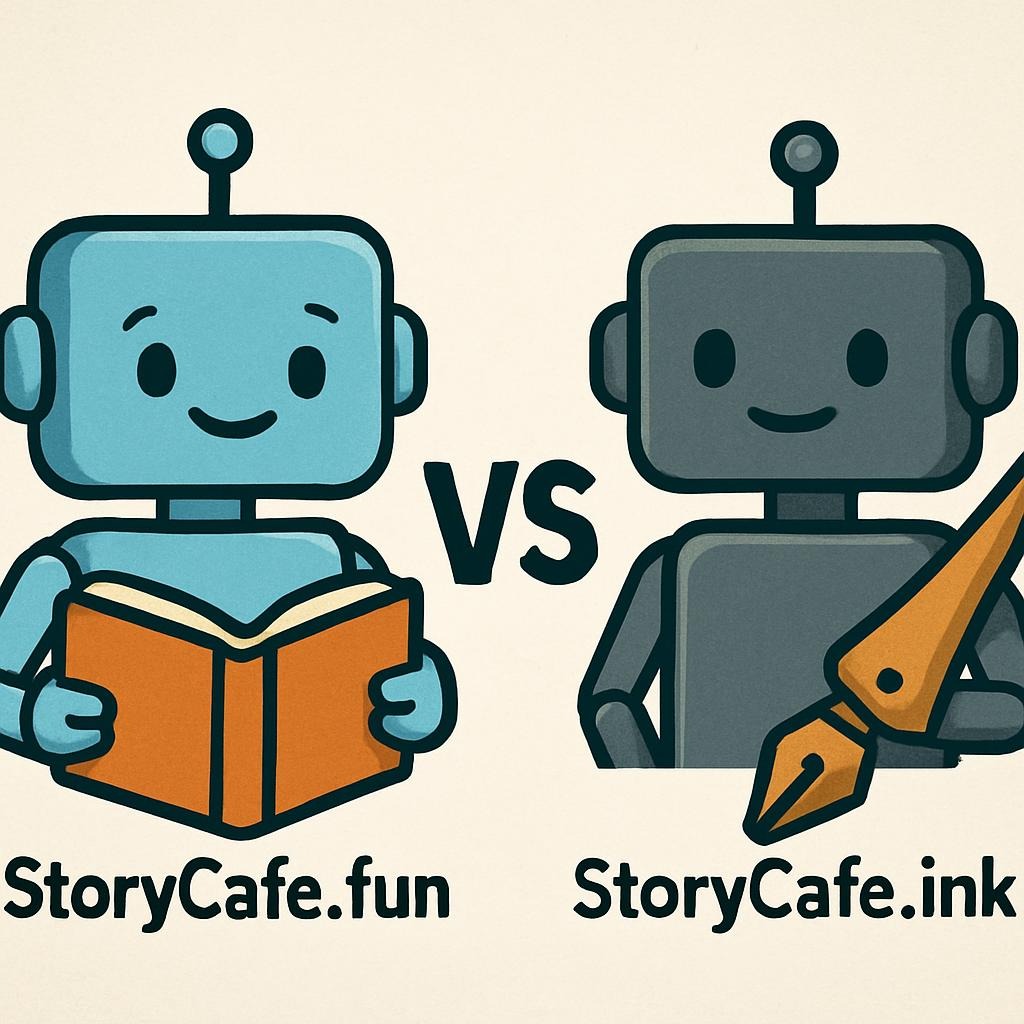
Although neither site returns typical search results, their domain patterns suggest deliberate branding:
A. StoryCafe.fun
- The
.fundomain implies a playful, creative, community-driven site. - Likely intended for open contributions, storytelling challenges, fan fiction, or narrative games.
- It may focus on interactive content, polls, community threads, or audio-visual story contributions.
B. StoryCafe.ink
- The
.inkdomain is often used by writers, publishers, and creative platforms. - Implies a stronger emphasis on writing, publication, and long-form narrative content.
- Could be aimed at writers sharing essays, serialized stories, poetry, or creative nonfiction.
Even without direct page content, such domain strategies reflect branding intentions — fun, dynamic engagement on one side, and creative writing identity on the other.
3. Key Competitive Differentiators
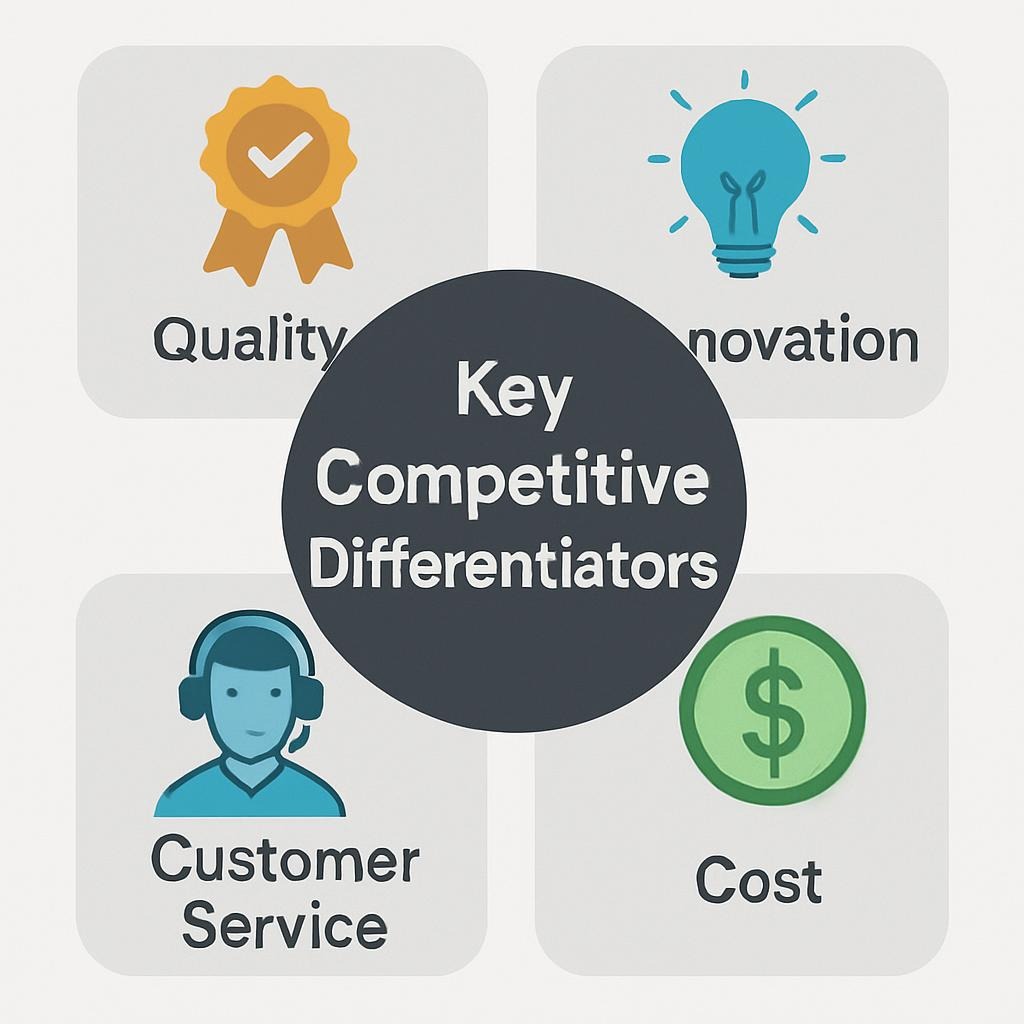
When two sites share overlapping themes around “story” and “community,” competition emerges on several content facets:
A. User-Generated vs. Curated Content
- StoryCafe.fun could emphasize community play, prompts, challenges, and interactive content.
- StoryCafe.ink might lean heavier on carefully curated writing, editorial showcases, and publication-ready pieces.
Competitively, one prioritizes participation, the other quality and craft.
B. Audience Targeting
.funattracts creative participators seeking engagement, games, and casual contributions..inkattracts serious writers, authors, and fans of written craft.
Understanding audience nuances enables tailored content strategies that resonate deeper.
4. Content Strategy Blueprint — What Works Best
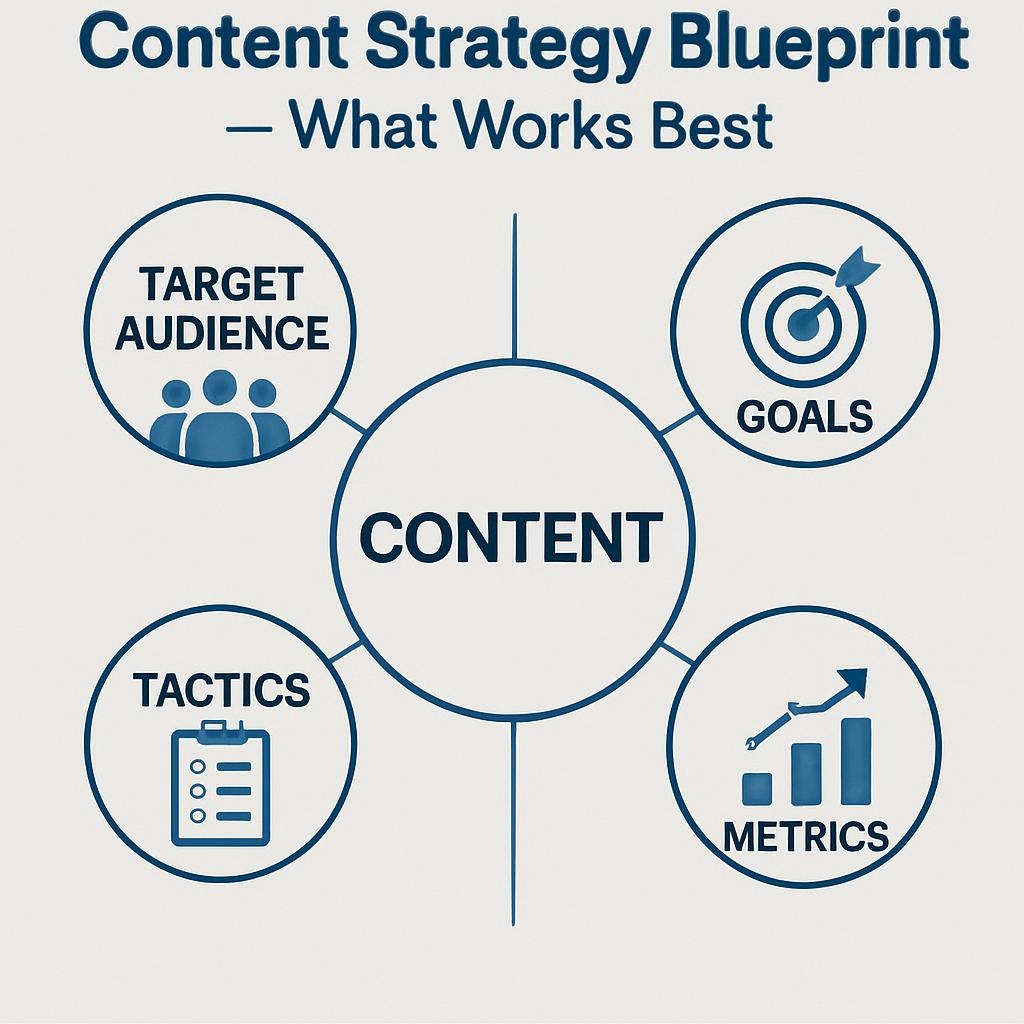
Here’s a side-by-side creative content framework to position each site in the competitive landscape:
StoryCafe.fun — Community First
- Weekly Creative Prompts
Introduce prompts like “Write a 100-word surreal story” or “Compose a dialogue between two unlikely heroes.”
These encourage participation and add vitality to the community. - Interactive Story Chains
Users build stories collectively — each person contributes one paragraph.
This fosters co-creation and keeps engagement high. - User Ratings & Badges
Reward community creators with badges like “World Builder” or “Poet Laureate.”
Gamification increases retention. - Visual Story Support
Allow image or GIF uploads that inspire narrative creation or meme-style storytelling.
This strategy emphasizes high — and fast — interaction, ideal for a fun-focused audience.
StoryCafe.ink — Narrative Craft & Quality
- Editorial Spotlights
Feature the best submissions monthly in collections like “Spring Anthology 2025.”
This builds prestige. - Writing Resource Hubs
Publish guides on plot structure, character development, and editing techniques. - Serialized Fiction Sections
Readers can follow long-form stories, subscribe to installments, and comment. - Editorial Contests
Host seasonal contests with themes (e.g., science fiction, memoir, magical realism) and spotlight winners.
This framework appeals to writers serious about craft and long-term audience growth.
5. Competitive Content Examples — What Each Site Should Publish
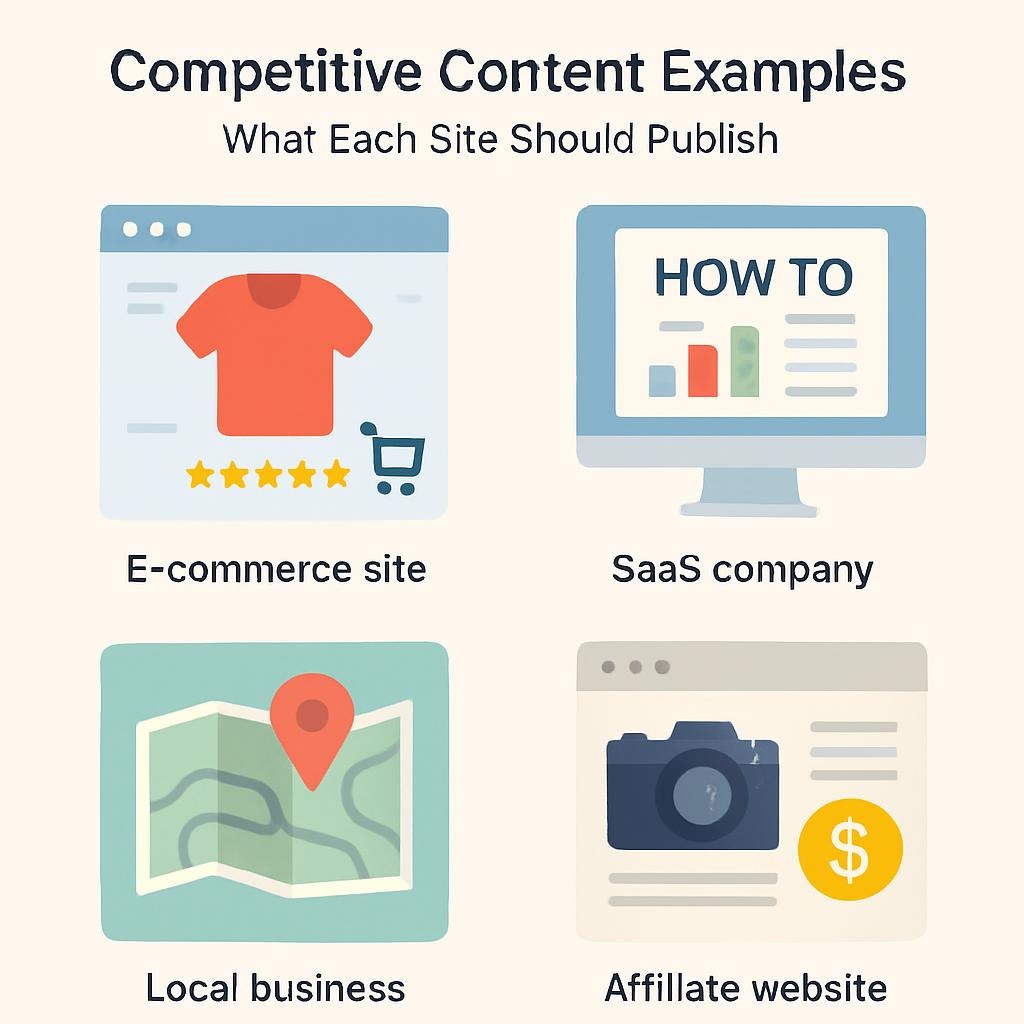
For StoryCafe.fun
- “Prompt of the Week: A Random Object Comes to Life”
- “Flash Fiction Friday — 200 Words Max”
- “Create a Collaborative Story: Add One Line Today!”
These short, fun hooks spark participation without overwhelming new users.
For StoryCafe.ink
- “Essay: How Narrative Structure Shapes Emotion”
- “Interview with Award-Winning Writers”
- “Feature Series: Memoirs of Travel and Change”
Such rich and in-depth content builds authority and trust with a literate audience.
6. Cross-Platform Growth Opportunities

To outcompete, both platforms should consider:
A. Email Newsletters
Deliver curated stories, best community posts, and exclusive writing tips.
B. Social Media Campaigns
Publish excerpts on platforms like Medium, Instagram carousels, or TikTok creative teasers.
(Content amplifies reach beyond the native site.)
C. Community Events
Host live writing sessions, Zoom workshops, or collaborative sessions that bring users together in real time.
7. SEO & Discoverability

Since both domains may lack strong search presence, optimizing for discoverability is key:
A. Keyword Strategy
- Think “creative writing prompts,” “story challenges,” “flash fiction community,” and similar queries.
- Use long-tail keywords that reflect user intent.
B. Meta & Site Structure
Clean site structure with clear content categories (fiction, essays, prompts, tutorials) enables better indexing and discoverability.
8. Monetization and Sustainability

Monetization ideas that fit the creative positioning include:
- Membership Tiers (access to premium prompts, workshops)
- Sponsored Contests
- Publication Revenues (sell digital anthologies or print collections)
Both platforms can generate revenue while strengthening community affection and loyalty.
9. Long-Term Vision — Beyond Competition

The ultimate challenge for both StoryCafe.fun and StoryCafe.ink is to transform from static sites into dynamic cultural hubs. In a world where creators and audiences crave connection, standout sites do more than host content — they catalyze communities that bond over shared stories.
Content quality, audience empathy, and strategic engagement patterns will define their market success — not just domain names or slogans.
Even without direct index access, we can deduce that StoryCafe.fun and StoryCafe.ink embody the modern storytelling ecosystem — places where individual voices, narratives, and community intersections create digital value.
By focusing on distinct audience needs, robust content strategies, and community empowerment, both platforms can thrive competitively. The future of storytelling online is bright — and with thoughtful strategy, each site could carve its own niche in the broader creative world.